What is this site?
An independent guide to fishing charters out of Key West, Florida, written by Bryan Collins. It owns no boats, employs no captains, runs no trips and takes no bookings. It exists to explain how this fishery works so you can ask better questions before booking with an operator directly.
Who writes this guide
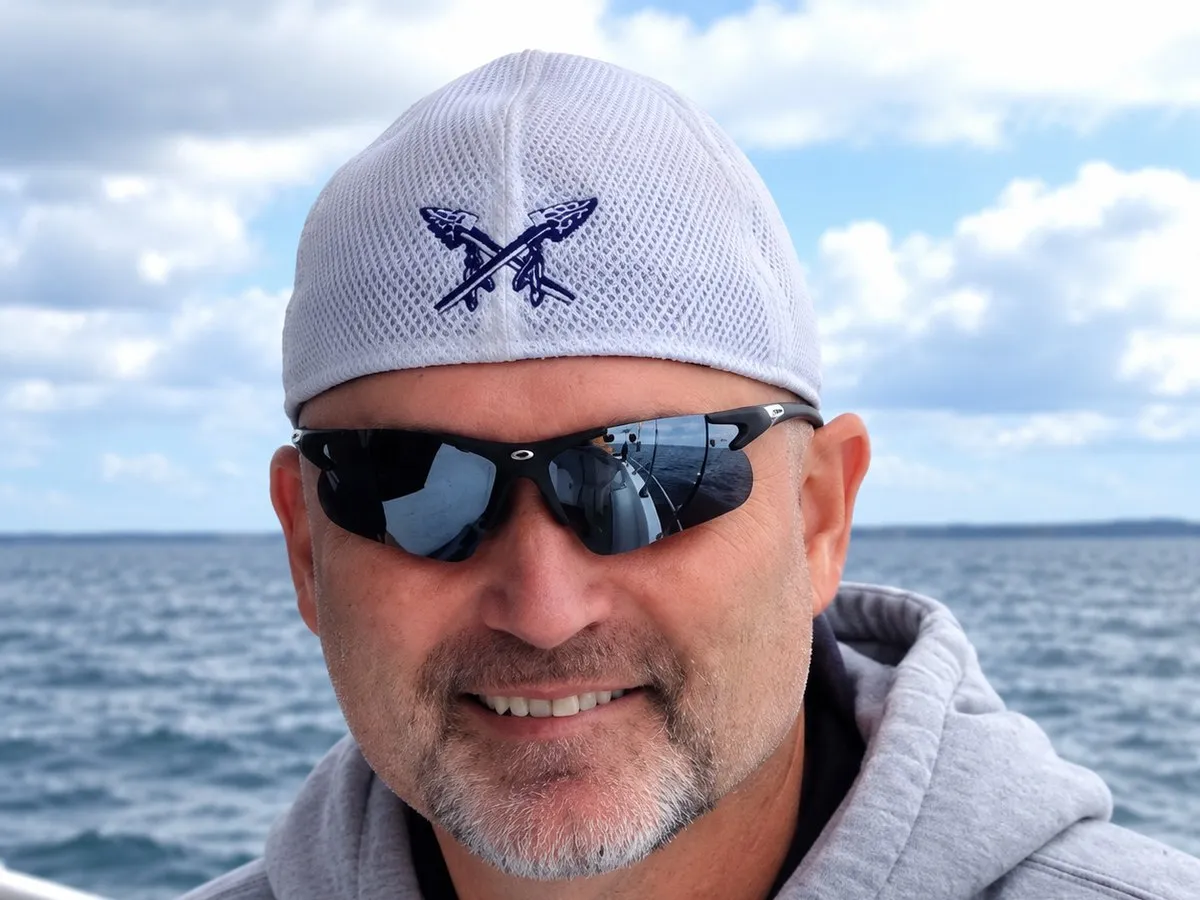
Bryan Collins. He grew up around New Rochelle, New York, and has fished the Northeast for more than 30 years — Long Island Sound before he was old enough to drive to it.
Bluefish, porgies, fluke and stripers. From the shore, off the boat, and out on the party boats. Enough pogie fishing to know what a good bait day looks like, and Montauk when the run was on.
That is the perspective behind this site. Somebody who knows what a party boat morning feels like, what a mate actually does, and what a first-timer needs told before they book — and who has not fished the Keys, which is the next section.
What he does not claim
He has not fished the Florida Keys. He is not a Key West captain, not a Florida guide, and not a charter operator.
That matters enough to say in the first hundred words rather than bury. A fabricated captain's byline is the most common lie told by sites in this category. The accurate version is more useful anyway: an angler who researches a fishery properly, and says plainly which parts are research.
How the Key West information is researched
From primary sources, named on the pages that use them. The Florida Fish and Wildlife Conservation Commission for state rules and licensing. NOAA and the South Atlantic and Gulf councils for federal species. The Florida Keys National Marine Sanctuary for the zones over all of it.
Operator information comes from the operators' own websites, scanned and recorded with the date. Where something has not been verified, the page says so rather than filling the gap.
Which numbers this site publishes, and the rule behind them
A number appears here only with its source and the date it was read. Bag limits, size limits and seasons come from the Florida Fish and Wildlife Conservation Commission, each linked to its FWC page. Prices, deposits and policies come from the operators’ own websites and booking pages. Ratings are Google’s.
What it still refuses: dock-call times, catch rates, and any rating this site invented, averaged or collected. Limits and prices change, so each carries its read date, and the date moves only when the source is read again. Check FWC before you keep a fish; the captain will too.
Prices and ratings: whose numbers they are
Two kinds of number on this site belong to somebody else, and each is labelled as theirs.
Prices are the operators’ own. The charter price page was built from fifteen operators’ booking pages and websites, read on October 6, 2026, and names the operator behind every figure. A price lifted from a directory is a marked-up price rather than the operator’s, so none are used.
The ratings are Google's, republished. This site runs no review form, collects no testimonials and averages nothing. Each score names Google as the source, carries the date it was read, and links out so you can check it. They are plain text and deliberately not marked up as this site's own structured data — presenting someone else's rating as your own is the practice that rule exists to stop. An operator with no verified rating is left without one rather than scored low.
Both need re-reading each season. A stale price here becomes an argument at a dock, which is the thing this section exists to prevent.
How it makes money
Through booking commission. Some links here go to an operator's booking system rather than straight to their website, and a booking made through one earns this site a commission. You pay the same either way — the commission comes out of the operator's side, not added to your bill.
What it does not buy. Nobody has paid to be included, to be described a particular way, or to be placed higher. The operators listed were found by scanning and are ordered alphabetically. An operator that earns this site nothing sits in the same list, described the same way, as one that does.
Where it could bend the writing is worth naming rather than promising away: a site that earns on bookings has a reason to send you to the operators it can earn from. That is why the roundup says plainly which operators are not listed and why, and why the dock guide lists every operator found, commission or not.
About the place
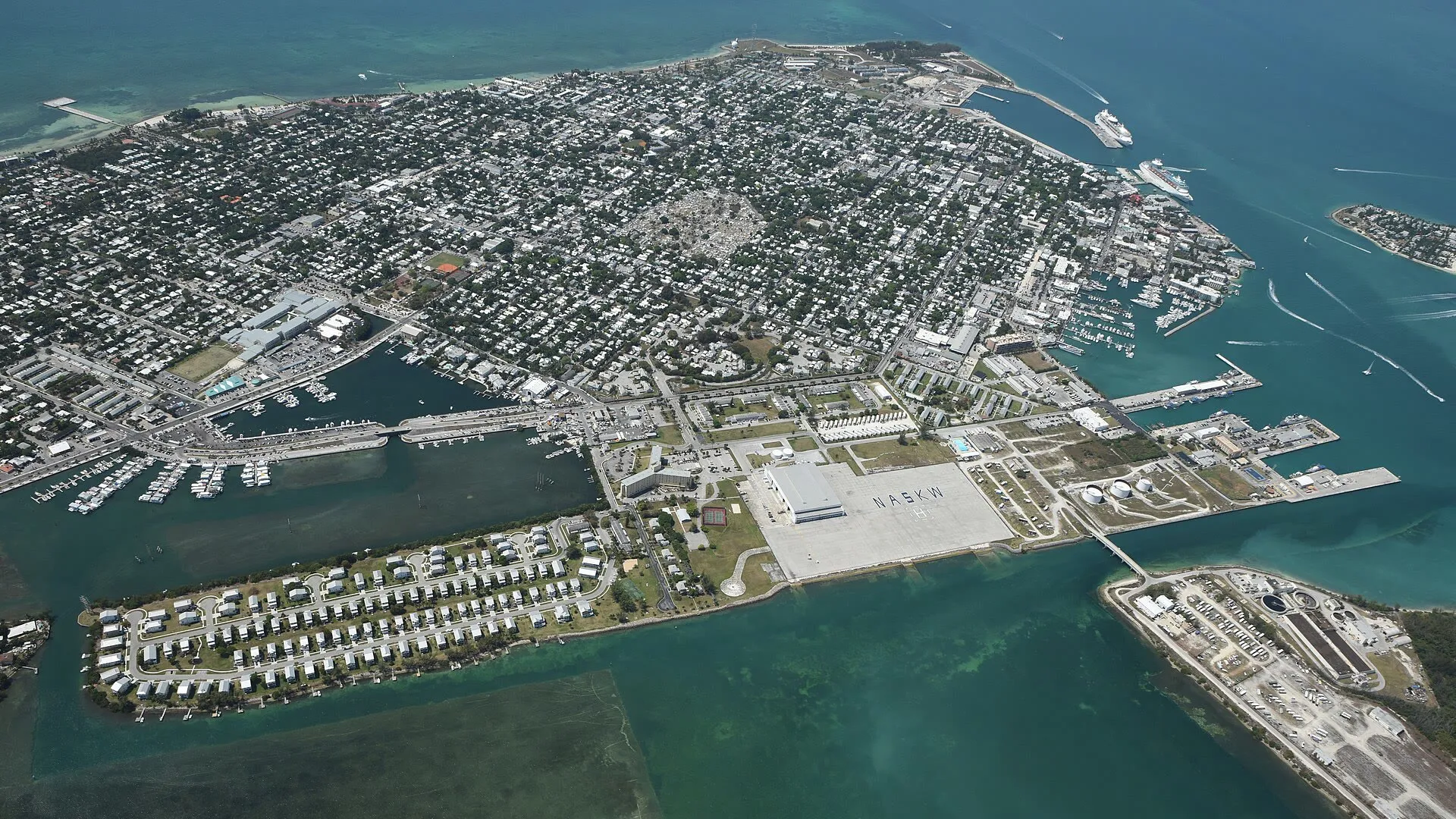
Key West sits at the end of the Florida Keys in Monroe County, with the Straits of Florida on one side and the Gulf on the other. The fleet works from three separate areas, and one of them is on another island.
That geography is why this site is organised the way it is. Three fisheries, three departure areas, and a choice to make before you compare a single operator.
- Garrison Bight — Charter Boat Row, at the City Marina
- Key West Bight — The Historic Seaport, in Old Town
- Stock Island — A separate island, east of Key West
Corrections
If something here is wrong, it should be fixed. Regulations change, operators change hands, and general guidance goes stale. Corrections go to info@fishingtripsfloridakeys.com, and there is more on what that inbox is for on contact.
Next step
Looking for fishing trips in the Florida Keys?
Fishing Trips Florida Keys is an independent guide — no boats, no bookings, nothing to sell. It exists so you can ask better questions before you hand an operator a deposit.
Fishing Trips Florida Keys takes no bookings and earns nothing from a click. You book with the operator directly.